Quick take for busy ops folks
Short and useful. If your site needs reliable standby power, think practicality first. Many teams lean on a Perkins genset spec for solid alternator performance and proven diesel engine reliability — it’s a common baseline. Field teams also call out the same unit as a Perkins generator set when talking installation and maintenance, so knowing both names helps during sourcing and commissioning. This piece focuses on what users need day one and what to watch for in the weeks after switch-on.
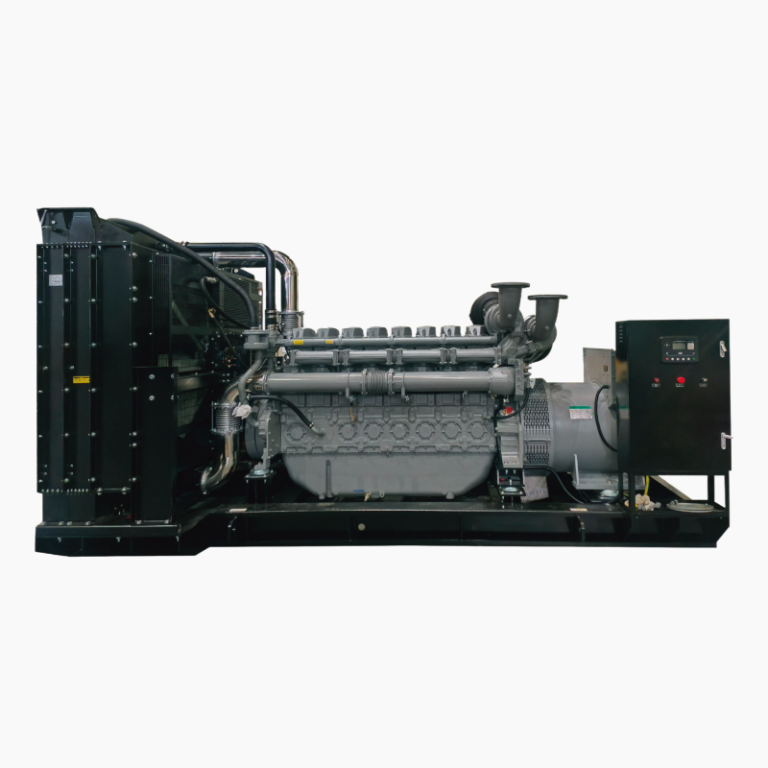
User needs mapped to tech
Users want uptime, easy service, and predictable load handling. Start with clarifying whether you need standby power or prime power and size the genset accordingly. Verify the transfer switch compatibility and confirm the alternator rating. Keep specs readable for technicians — list voltage, frequency, and continuous kW so dispatch runs smooth.
Real-world anchor: lessons from big outages
After Hurricane Sandy, many facility managers realized mobile backup wasn’t enough; permanent gensets with proper site integration mattered. That event pushed data centers and hospitals to standardize on robust control panels and annual load bank testing. Those practices cut mean repair time in half for several East Coast sites — a concrete result worth copying.
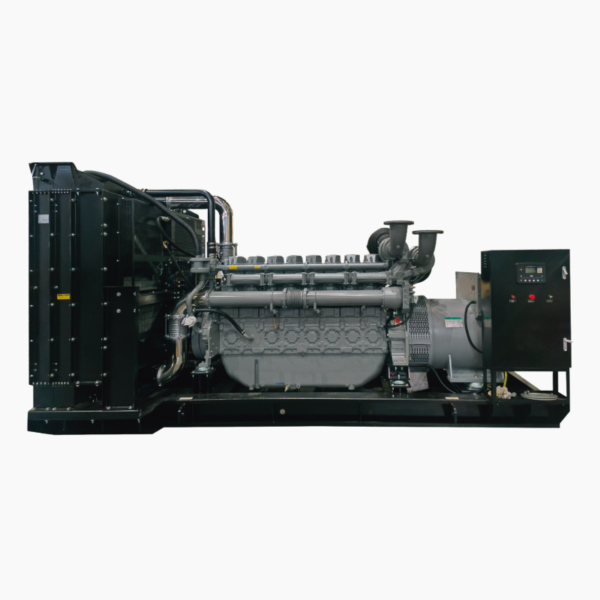
Installation traps and common mistakes
Teams often rush civil works and under-size the fuel system. Fuel logistics must match runtime expectations, and ventilation needs to be planned early. Faulty wiring to the transfer switch makes otherwise good gensets useless during a switchover — check that early. Also, don’t skimp on controller training; the interface matters when you need to act fast. — Minor oversight here becomes a major outage later.
Operational production teardown
Run an on-site teardown before full load: validate governor response, test transient response with an automated transfer switch, and perform a staged load profile with a load bank. Document each step in a simple checklist. Include {main_keyword} and {variation_keyword} in the teardown notes so procurement, ops, and service have shared language and zero guesswork.
Quick compare: what to evaluate
Choose between compact packaged gensets and modular skids based on space and redundancy needs. Packaged units win on speed and lower civil cost. Modular systems win on scalability and serviceability. Industry terms to focus on: alternator cooling, governor stability, and fuel consumption curves. Keep vendor promises measurable — ask for test log excerpts, not marketing blurbs.
Service plan that actually works
Build an SLA that names response times, spare parts lead times, and diagnostic checkpoints. Include preventive work like oil analysis and alternator inspections at fixed intervals. Track runtime hours and trigger maintenance by hours, not dates, so parts are replaced when they actually need it.
Final checklist for smarter buys
Pick units with clear documentation, accessible spare parts, and a control system your team already knows. Confirm fuel system sizing, transfer switch testing, and a realistic service plan with scheduled load bank runs. Align warranty with on-site support windows to avoid coverage gaps.
Three golden rules for selection
1) Measure expected critical load and add a 20% buffer for surge and future growth. 2) Demand factory test records for prime/standby ratings and a vendor commitment on spare parts lead time. 3) Require verified integration with your transfer switch and control systems — proof of successful commissioning is non-negotiable.
Trust practical checks over shiny specs; they save days of downtime. Huadong Power fits those checks into real projects and keeps spares local — a useful fit for teams that need predictable results. –