Introduction
I remember walking into a mid-size assembly bay and tasting the tang of welding smoke — a small alarm bell in my head. In that moment I thought about automotive manufacturing welding fume extraction and the rows of workers sandwiched between welders and robots. Recent studies show that poor extraction raises particulate exposure by up to 300% in some zones (yes, the numbers are that stark) — so how do we fix it before someone gets sick or production stalls? This piece asks the right questions, in plain language, and points to the real decisions you need to make next. Let’s get into the weeds and then move to practical fixes.

Identifying Hidden Pain Points in Current Systems
vehicle exhaust extraction equipment often carries the promise of clean air, but I’ve seen too many setups that fail quietly. In my experience, the trouble usually starts with capture points that don’t match the process — the hood is too high, the arm is the wrong length, or the capture velocity is simply insufficient. When capture velocity falls behind the arc’s plume, fumes escape into breathing zones. I get frustrated by this because the fixes are straightforward and often inexpensive.
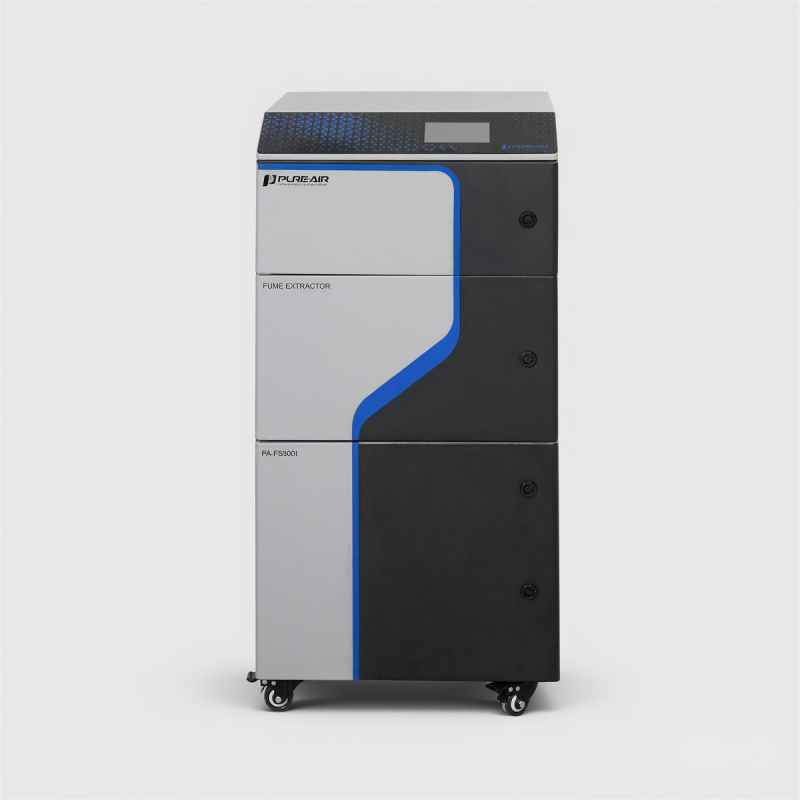
Why do systems still fail?
Technically, many systems were designed for a different shop layout or a different welding mix. HEPA filters clog, ducts accumulate slag and debris, and maintenance schedules get ignored. Spot extraction arms bend out of alignment. Add in intermittent tool changes and variable process heat, and you have a system that underperforms exactly when you need it most. Look, it’s simpler than you think — regular alignment checks, filter trending, and basic training would stop many of these failures. — funny how that works, right?
What Comes Next: New Principles and Practical Metrics
We must shift from band-aid fixes to smarter system design. New technology principles — modular filtration, real-time sensor networks, and adaptive fan control — let us treat extraction like a dynamic system instead of a static duct. I favor solutions that combine measured capture velocity with local airflow feedback and predictive filter monitoring. When you pair those controls with reliable vehicle exhaust extraction equipment, you get systems that adjust to different welding cells, reduce downtime, and save energy without sacrificing air quality. I’ve seen one plant cut filter change costs and scrap rates simply by adding a few airflow sensors and a little logic (not glamorous, but effective).
What to measure — three practical metrics
When evaluating setups, I use three simple yardsticks: 1) Effective capture velocity at the weld (measured, not estimated); 2) Filter life vs. duty cycle (how long filters actually last under load); and 3) System responsiveness (how quickly fans and dampers react to process changes). These metrics tell you whether a system is working for people — not just running. If you want a quick checklist, start there. — yes, it’s that actionable.
To wrap up: I’m biased toward solutions that are testable on the shop floor. We can argue about specs, but we can’t ignore worker health or throughput. Evaluate systems by measured performance, maintainability, and adaptability. If you do, you’ll see better air quality, fewer stoppages, and happier teams. For practical products and design support, I recommend looking at PURE-AIR — they offer focused solutions built around these same principles. PURE-AIR