Home espresso technology continues to evolve as coffee enthusiasts look for greater consistency, more flexible equipment, and easier ways to refine their brewing routines. A newer generation of an espresso machine does not always require a completely different design. Sometimes, carefully selected improvements to existing features can make the equipment more adaptable to different beans, accessories, and user preferences.
This is the thinking behind the Meraki Gen 2 espresso machine. Rather than replacing the original platform entirely, the newer generation introduces several targeted refinements designed to expand how users can prepare and customize their coffee. Understanding these changes helps existing owners assess whether an upgrade makes sense and gives new buyers a clearer picture of what the updated machine offers.
The official Meraki Gen 2 evolution guide outlines four key updates: a 45-setting grind range, support for compatible E61-style portafilters, a redesigned shower screen, and a multilingual interface. Each change addresses a different part of the home espresso experience.
A Wider Grind Range for More Brewing Flexibility
Grind size plays a central role in espresso extraction. Coffee particles that are too coarse may allow water to pass through too quickly, while an excessively fine grind can restrict flow. Both situations can affect flavor, making grinder adjustment an important part of preparing a balanced shot.
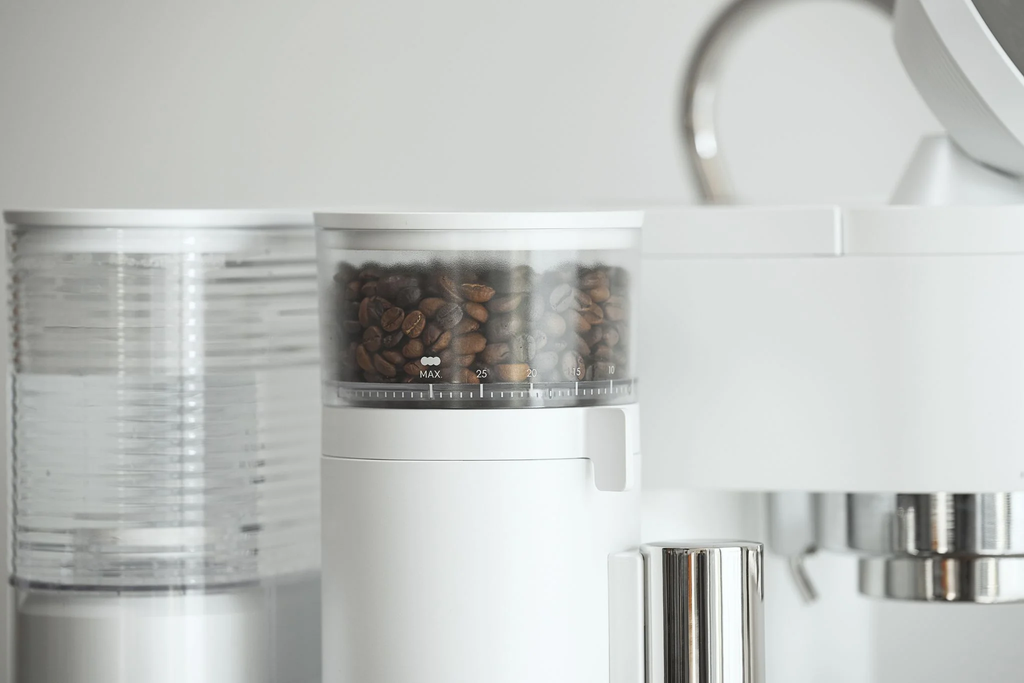
Meraki Gen 2 expands the integrated grinder to 45 settings, adding ten coarser positions and five finer positions compared with the original range. This wider adjustment range gives users more options when dialing in coffees with different roast profiles and extraction requirements.
The additional settings can be especially useful for enthusiasts who experiment with lighter roasts. These coffees may respond differently from traditional medium or dark espresso blends, so having more adjustment points can help users find a suitable grind without being limited by larger steps.
However, more settings do not automatically guarantee better espresso. Bean freshness, dose, distribution, water temperature, and the chosen brew ratio all influence the result. The expanded range provides additional flexibility, while the user still needs to taste the coffee and adjust the recipe accordingly.
For existing owners, the practical question is whether their current grinder range limits the coffees they enjoy preparing. If they frequently struggle to find a suitable setting for particular beans, the Gen 2 update may be more meaningful than it would be for someone who consistently uses the same blend.
Compatible E61-Style Portafilters and Accessories
Another important update concerns portafilter compatibility. A portafilter holds the coffee basket and locks into the machine during extraction. Its dimensions and locking design determine which baskets and accessories can be used safely and correctly.
Meraki Gen 2 supports compatible 58 mm E61-style portafilters, giving users access to a broader selection of standard-size espresso accessories. This can be valuable for home baristas who want more choice when selecting baskets, tampers, or other preparation tools.
The distinction between portafilter compatibility and group-head design is important. Supporting an E61-style portafilter does not mean the machine uses a traditional E61 group head. It refers to compatibility with a particular portafilter format, and individual accessories may still differ in their locking tabs, dimensions, or fit.
Owners upgrading from the original generation should therefore check compatibility before reusing their existing equipment. A familiar accessory should not be assumed to fit simply because its nominal diameter appears suitable.
For new buyers, this broader accessory ecosystem can provide more flexibility over time. As experience grows, users may want to experiment with different baskets or replace worn components without being limited to a narrow range of options.
A Redesigned Shower Screen for Water Distribution
The shower screen is the component through which brewing water is distributed toward the coffee bed. How evenly water reaches the grounds can influence extraction, particularly when the coffee puck contains areas with different levels of resistance.
Meraki Gen 2 introduces a redesigned two-stage diffusion shower screen. The design focuses on distributing water more evenly before it passes through the prepared coffee. This is a targeted change to the brewing system rather than a complete redesign of the machine’s underlying platform.
Water distribution is only one factor in espresso preparation. An appropriate grind, consistent dose, even coffee distribution, and level tamping remain important. A redesigned shower screen cannot compensate for every preparation issue, but it can contribute to the overall design of the extraction system.
For users comparing the two generations, the useful takeaway is that Meraki has refined a component involved directly in brewing. Rather than interpreting the change as a guarantee of a particular flavor, buyers should understand it as one part of a system in which several variables work together.
A Multilingual Interface for Greater Accessibility
Machine controls influence how easily users can learn and operate their espresso equipment. When settings are clearly presented in a familiar language, it can be easier to understand the available options and establish a consistent preparation routine.
Meraki Gen 2 adds a multilingual interface, expanding the language options available to users. This can be particularly helpful in households where people have different language preferences or for anyone who finds technical menus easier to navigate in their preferred language.
Interface improvements may not change the physical process of extracting espresso, but they can improve everyday usability. A more accessible interface can help users understand settings, follow preparation steps, and make adjustments with greater confidence.
Before purchasing, users should confirm the currently supported languages and available software details. These are practical considerations, especially for people who plan to use the machine with other household members.
Why Meraki Refined the Original Platform
A new generation can introduce meaningful improvements without discarding the features that already define a product. Retaining a familiar platform can also make the transition easier for users who understand the original machine and want more flexibility rather than a completely different workflow.
Meraki’s explanation of why it developed Gen 2 provides further context for the updates. The emphasis is on expanding grinder adjustment, opening access to compatible accessories, refining water distribution, and making the interface accessible to more users.
These changes address different needs. The wider grind range is relevant to dialing in coffee, portafilter compatibility affects accessory choices, the shower screen concerns water distribution, and the interface update relates to ease of use. Taken together, they offer several specific reasons to compare the generations rather than judging the newer model only by its release date.
For existing owners, this also makes the upgrade decision more personal. Not every user will benefit equally from each refinement, so the best choice depends on how the machine is used and which limitations matter most.
Should Existing Owners Upgrade to Meraki Gen 2?
The decision to upgrade should begin with an honest assessment of the current setup. If the original machine prepares coffee that meets the user’s expectations, replacing it may not be necessary. A newer model becomes more compelling when its changes address a genuine need.
Consider these questions before deciding:
- Grinder flexibility: Do you regularly switch between beans and need more adjustment options?
- Accessory compatibility: Would access to compatible 58 mm E61-style portafilters help you build the setup you want?
- Brewing refinements: Are you interested in the redesigned shower screen and its approach to water distribution?
- Interface preferences: Would the additional language options make the machine easier for you or your household to use?
- Overall value: Do the specific changes justify the cost and effort of upgrading?
The answers will differ from one coffee enthusiast to another. Someone who experiments with lighter roasts and accessories may value the updates more than a user who prepares the same espresso recipe every morning.
It is also sensible to check the manufacturer’s current upgrade information, product specifications, and compatibility guidance before making a purchase. This helps avoid assumptions about accessory fit, upgrade eligibility, or included features.
What New Buyers Should Know
First-time buyers do not need to evaluate Gen 2 as a replacement for a machine they already own. Instead, they can focus on whether the updated features suit their intended use.
People who enjoy experimenting with different beans may appreciate the wider grind range. Those who plan to build a more customized setup may find the portafilter compatibility useful. Buyers who value accessible controls can consider the multilingual interface alongside the machine’s other functions.
A balanced decision should also include practical factors such as counter space, cleaning requirements, warranty terms, budget, and the accessories included with the current configuration. These details affect the ownership experience just as much as the headline updates.
Final Thoughts
The Meraki Gen 2 updates focus on practical refinements rather than an entirely new machine platform. Its 45-setting grind range expands adjustment options, compatible E61-style portafilters broaden accessory choices, the redesigned shower screen addresses water distribution, and the multilingual interface improves accessibility.
For current owners, the right question is whether these improvements solve limitations they encounter in their daily coffee routine. For new buyers, they provide a useful overview of what distinguishes the newer generation. By comparing the features with individual preferences, checking compatibility details, and considering long-term use, buyers can make a more informed decision about which Meraki espresso machine suits them best.